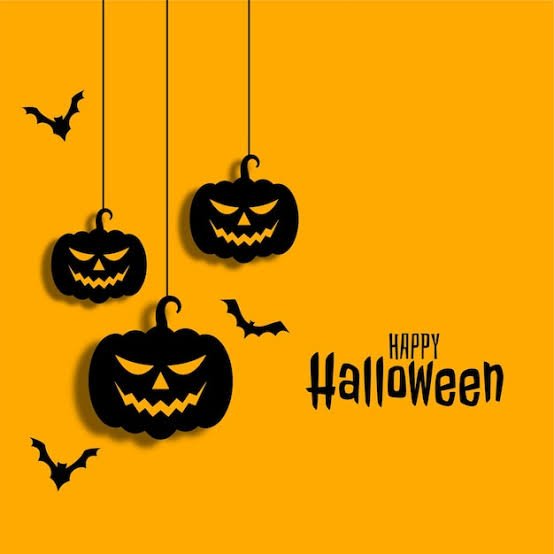
Halloween is one of the world’s best-known festivals; on October 31 each year people put on costumes, decorate their houses, carve pumpkins, attend parties and take part in all sorts of enjoyable activities.
So what is Halloween actually about? What is the reason people dress up in costumes? Why is the pumpkin such a significant symbol? And how did a traditional custom turn into the festive celebration that we have today?
This article is going to look at the history of Halloween, examine its traditions and beliefs, consider the popular activities associated with it, and discuss how the celebration has evolved over time. If you’re finding out about Halloween for the first time or are seeking some ideas to make the most of it before 30, this guide will provide you with a straightforward and useful summary.
What Is Halloween?
Halloween is a celebration that takes place every year on October 31; it is particularly popular in the USA and Canada, although the holiday is also well known in the UK, Ireland, Europe, Australia, and many other parts of the world.
The modern-day celebration fuses traditional seasonal customs with more recent types of entertainment; at present Halloween is generally linked with costumes, pumpkins, candy, decorations, parties, scary stories, movies and games.
Halloween is for most people a social and cultural occasion, since children go from house to house asking for sweets, and teenagers and adults attend parties, dress up, decorate their homes or take part in themed events.
People’s understanding of Halloween can vary. To some it is a religious or cultural tradition, whereas for others it is just a chance to have fun with their family and friends.
When Is Halloween?
Halloween occurs every year on October 31.
It occurs right before 1 November, a day known in Christian traditions as All Saints’ Day; the evening preceding All Saints’ Day was called All Hallows’ Eve, which later came to be known as Halloween.
What Origins Does Halloween Have?
The origins of Halloween stretch back over many centuries, and one of the key factors in its development was Samhain, an ancient Celtic seasonal festival which was connected with the end of the harvest and the start of winter.
Samhain was normally celebrated at the time when October gave way to November. According to certain historical accounts, it was believed that the boundary between the world of the living and the world of the spirits was particularly thin during this period.
As time went on, various religious and cultural traditions had an influence on these earlier seasonal customs, and the evening prior to All Saints’ Day came to be called All Hallows’ Eve, the name then slowly becoming Halloween.
Halloween then underwent further development as various communities established their own customs and forms of celebration.
The Halloween that is currently recognized therefore does not stem from a single tradition but is the outcome of centuries of cultural change, migration, religious influence, and the impact of modern entertainment.
How did Halloween come to be popular?
Halloween customs became especially popular in North America when immigrants brought them from Europe.
In both the USA and Canada Halloween slowly turned into a celebration which was enjoyed by communities and families. Having costumes, parties, decorations and trick-or-treating became essential elements of the modern holiday.
Halloween culture has now spread all over the world because of movies, television, social media, and online shopping.
What is the reason people wear Halloween costumes?
A part of Halloween that is perhaps most easily recognized is the costume.
People have the freedom to dress up as almost anything they desire. Among the traditional options are ghosts, witches, vampires, skeletons, monsters, and other mysterious types of characters. Nowadays, costumes can also consist of superheroes, characters from movies, animals, historical figures, and funny notions.
The practice of wearing costumes has its origins in earlier beliefs and customs concerning spirits and supernatural beings; nevertheless, in later times the purpose of costumes became more concerned with entertainment.
Today, wearing a costume can be a simple way to:
- Express creativity
- Have fun with friends
- Participate in a party
- Take photos and videos
- Enter costume competitions
- Create a memorable family experience
- Try a completely different personality for one evening
For adults under the age of 30, Halloween can also be a chance to take part in social activities and creative experiences without treating the celebration too seriously.
You needn’t spend a lot of money on your costumes; a simple outfit, some makeup, a few accessories, or even clothes that you already have can be turned into a creative Halloween look.
What makes the pumpkin a symbol at Halloween?
One of the first things that people think of when considering Halloween is a pumpkin having a face cut into it.
They are usually known as jack-o’-lanterns.
The practice is linked to a traditional custom in Ireland and Scotland of cutting out faces in vegetables like turnips and putting lights in them. Pumpkins became a popular choice when the Halloween customs arose in North America since they were commonly available and easier to carve.
Nowadays, carving pumpkins is one of the most popular things people do on Halloween.
A family could select a pumpkin, cut off the top, take out the interior, and carefully carvе a face or design into the outside. They could then put a light inside to achieve the well-known glowing effect.
Easy Pumpkin Ideas
There is no need to come up with a complicated design. Examples of simple ideas are:
- A classic example of a scary face is one with triangular eyes and a big mouth.
- Funny face – this is an expression showing either a smile or surprise.
— an animal, such as a cat or an owl.
- A simple pattern – using stars, circles, or geometric shapes.
– Create a short word or symbol.
Pumpkin carving can be particularly enjoyable when done as a family activity, but children must have adult supervision if sharp carving tools are used.
What Is Trick-or-Treating?
Trick-or-treating is one of the most well-known of the Halloween activities that children enjoy.
Children generally wear costumes and go from house to house in their neighbourhood. When they get to a home they say “trick or treat” and ask for candy or some other small treat.
The practice originated in earlier customs when people used to go from house to house asking for food or other things during seasonal and religious festivals.
Today’s trick-or-treating is generally a community event rather than a genuine reflection of the original historical beliefs.
For families speaking, safety is an essential element of the experience; children ought to remain with reliable adults or groups, use safe routes when walking, and check any treats before eating them.
- Some communities also organize alternatives such as:
- Community Halloween parties
- School events
- Indoor trick-or-treating
- Costume competitions
- Pumpkin festivals
- Family movie nights
As a result, families are able to celebrate Halloween in different ways according to their own preferences.
Halloween Beliefs, Myths and Superstitions
There is a close association between Halloween and stories involving ghosts, witches, spirits, monsters, and other supernatural elements.
Certain of these ideas are based on traditional cultural beliefs, while the rest have emerged through literature, folklore, films, television, and popular culture.
It is necessary to make a distinction between historical beliefs and modern-day entertainment, since not all Halloween symbols indicate a belief that is currently followed.
For example, ghosts and monsters are included as Halloween themes since they produce a mysterious or frightening atmosphere, and many people take pleasure in these themes as a form of fiction rather than believing that supernatural events really do occur.
Halloween also offers a chance to look at folklore from various cultures, since in many societies all over the world there are stories involving death, the changing of the seasons, spirits, and the unknown.
To some people these stories are interesting since they illustrate the various ways in which different communities have tried to come to an understanding of life, death, nature, and the unknown.
How is Halloween currently celebrated?
The modern celebration of Halloween is far more extensive than its historical origins.
In both the United States and Canada Halloween may include neighbourhood decorations, trick-or-treating, costume parties, school events, pumpkin carving, haunted attractions and seasonal entertainment.
In other parts of the world Halloween is probably celebrated on a small scale or is mainly concerned with parties, costumes, decorations and entertainment.
Popular Halloween activities include:
🎃 Carving pumpkins
👻 Wearing costumes
🍬 Giving and receiving candy
🏠 Decorating homes
🎬 Watching Halloween movies
🎉 Attending costume parties
📸 Taking themed photographs
🧁 Making Halloween food and desserts
🕯️ Telling scary stories
🎮 Playing Halloween-themed games
Social media has likewise affected the way people celebrate, since creative costumes, makeup tutorials, decorations, recipes, and short videos can make Halloween into a major source of content.
Halloween can offer young adults an opportunity to mix together creativity, social activities, photography, fashion, food, and entertainment.
Halloween Ideas for Your 20s and Before 30
Halloween doesn’t have to be something just for children.
Someone in their twenties or who is about to reach thirty years of age can arrange their own form of the celebration. There’s no need to spend a great deal of money; it might just be a matter of arranging an enjoyable experience for the people you care about.
Here are some simple ideas:
Arrange a small costume party.
Get some friends together and pick a simple theme; in that way, everyone will be able to make a costume without having to spend a lot of money.
- Try Pumpkin Carving
Select a pumpkin and invite your friends or family to have a go at making the most imaginative design.
- Have a Halloween movie night.
Select a mix of movies from the genres of mystery, comedy, fantasy, or horror based on people’s preferences.
- Create Halloween Content
If you like social media, make short videos about costumes, decorations, recipes, or Halloween history. - Try Something New
Use Halloween as a reason for doing something creative that you wouldn’t normally attempt, for example themed photography, makeup, cooking, or decorating.
Before the age of 30 it is a good idea to gather experiences rather than concentrating merely on work and responsibilities. Halloween can serve as a minor chance to enjoy creativity, friendship and some memorable moments.
Halloween Around the World
Halloween is most closely linked with countries like the USA and Canada, but its popularity has grown in other parts of the world.
The way that this holiday is celebrated can vary from country to country and community to community. In some places costumes and parties are enjoyed, whereas in others traditional events of their own are held during that time.
In certain areas of Europe, Halloween can coexist with traditional local customs which are associated with the autumn season, remembrance, or religious observances.
That is the reason why there isn’t a single correct way of celebrating Halloween: different cultures, family customs, religions, ages, and individual preferences can all affect how a person goes about experiencing October 31.
The current international form of Halloween is still evolving as people mix traditional symbols with new concepts.
Is Halloween merely about being scary?
Not at all.
Even though scary subjects are closely linked with Halloween, the holiday can also be enjoyable, imaginative, social, and suitable for families.
It is possible to have a good time at Halloween without any ghosts or horror. For instance, a person could dress up as a favourite fictional character, carve a humorous pumpkin, prepare themed food, or just spend some time with friends.
One reason why Halloween has stayed popular is that people can tailor the celebration to their own interests.
For children the focus could be on costumes and candy, for teenagers it could be friends and parties, and for adults it might consist of creative events, themed entertainment, or merely enjoying the atmosphere.
Different people can have different meanings for Halloween.
Frequently Asked Questions About Halloween
What is Halloween and what is the reason for celebrating it?
Halloween is a celebration that takes place every year on October 31; it has its origins in ancient seasonal customs and later received religious and cultural influences. At present, it is usually celebrated with costumes, pumpkins, candy, parties, decorations and entertainment.
What is the reason people celebrate Halloween on October 31?
October 31 is usually referred to as All Hallows’ Eve, for it comes the night before All Saints’ Day on November 1; various traditions associated with that date have over the centuries helped to shape the modern Halloween.
What is the reason that pumpkins are connected with Halloween?
The connection between pumpkins and Halloween came about as a result of the jack-o’-lantern custom developing in North America, and earlier forms of that custom made use of vegetables such as turnips and other root vegetables.
Do people believe in ghosts on Halloween?
There are some individuals who hold cultural, religious, or personal beliefs concerning spirits and the supernatural, but a great many people like Halloween ghosts, monsters, and witches merely as fiction, folklore, or for entertainment.
Is Halloween really just something for children?
Halloween is something that people of all ages enjoy. Children can take part in trick-or-treating, while teenagers and adults will enjoy wearing costumes, attending parties, carving pumpkins, engaging in creative activities, and taking part in themed events.
Conclusion: Exactly what is Halloween really about?
Then what is Halloween? It is a celebration which has a long and varying history and that incorporates ancient seasonal customs, cultural influences, folklore, and modern forms of entertainment.
Halloween is nowadays mainly associated with costumes, pumpkins, trick-or-treating, candy, decorations, parties, and enjoyment. Even though the holiday has much older origins, modern Halloween has become flexible enough for people all over the world to celebrate it in their own way.
Halloween can provide an opportunity to be creative and have memorable experiences, whether you are a child having your first go at trick-or-treating, an adult who is organizing a costume party, or a person seeking something enjoyable to do before 30.