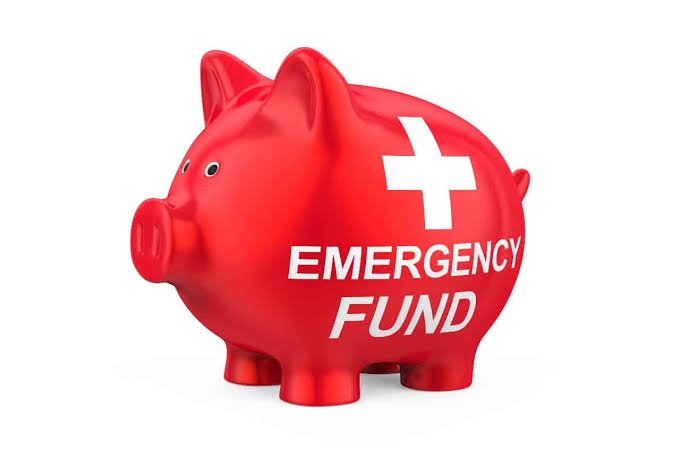
Life almost never turns out as planned. Something like a sudden job loss, a medical bill, a car repair, or an unexpected family expense can cause your financial situation to become chaotic all at once. That’s the reason why setting up an emergency fund before your thirtieth birthday is one of the wisest financial decisions you can make in your twenties. It’s not exciting, it won’t make you rich immediately, and it certainly won’t attract much attention on social media—yet it is the only financial habit that guards all the other things you’re working to achieve: your career, your investments, and your peace of mind.
In this guide we are going to explain precisely what an emergency fund is, why it’s necessary that you have one before you reach 30, how much you really should save, and provide a practical, step-by-step approach to setting one up — even if you are starting from nothing.
Table of Contents
ToggleWhat counts as an emergency fund?
An emergency fund is money which is saved specifically for unforeseen expenses or financial emergencies. It is not your holiday fund, not your “new phone” fund, and by no means should you use it for ordinary spending. Its only purpose is to keep you safe when life throws something unexpected your way.
Common emergencies this fund is meant to cover include:
- Sudden job loss or reduced income
- Medical emergencies not covered by insurance
- Urgent car or home repairs
- Family emergencies requiring immediate travel or expenses
- Unexpected major bills
The simple aim of an emergency fund is to provide you with a financial buffer so that a poor month doesn’t result in years of debt.
Why You Need an Emergency Fund Before 30
The twenties are usually the period when your financial situation is the most unstable; you could be changing jobs, launching a business, moving to a different city, or being responsible for relatives, all while your income is still increasing. That is the reason why it is so important to have an emergency fund before your thirtieth birthday.
Here’s why building one early pays off for decades:
1. It keeps you safe from becoming deeply in debt. If you have no savings, an unexpected expense is usually paid for using a credit card or by taking out a loan, and that one emergency can lead to months or even years of high-interest debt.
2. It offers you genuine career freedom; if you have some savings, you can get out of a bad job, ask for a salary increase, or take time to look for the right opportunity rather than accepting the first one out of desperation.
3. It offers protection for your long-term investments. Once you are already investing—whether in stocks, mutual funds or something similar to the Colombo Stock Exchange—an emergency fund will ensure that you are never obliged to sell your investments at a disadvantage just to pay for an unexpected bill.
4. It establishes genuine financial discipline. The habit of regularly saving, even if the amounts are small, forms the basis for all the financial objectives you’ll pursue in your 30s and later—such as buying a house, starting a business, or planning for early retirement.
How large should your emergency fund be?
A generally accepted rule of thumb is to set aside between three and six months’ worth of your essential living costs. This should cover items such as rent, food, utilities, transportation, and any other regular bills—not your whole lifestyle expenditure.
If you’re beginning, don’t let that figure daunt you; rather, divide it into stages.
In the first stage you should save an amount equal to one month’s basic expenses. This will be sufficient to deal with the majority of minor emergencies.
In stage 2 you should save up equivalent to three months’ expenses. This will protect you in the event of losing your job or experiencing a major disruption.
In Stage 3, target an amount equal to six months’ expenses if your income is irregular, based on freelance work or is derived from a business (this is especially relevant in the case of being self-employed or running your own business).
The precise figure will vary according to your job security, the number of dependents you have, and your monthly expenses—yet it’s much more important to begin saving than to wait until you can accumulate the ‘perfect’ amount.
Step-by-Step Plan to Build an Emergency Fund
Step 1: Calculate Your Monthly Essential Expenses
Give a list of all your non-negotiable expenses: these should include rent or mortgage payments, groceries, utilities, transport, insurance, and the minimum amounts you have to pay on your debts. This total is your starting point; multiply it by three to six in order to work out your target amount for your emergency fund.
Step 2: Open a Separate Savings Account
Make sure that your emergency fund is completely separate from your normal spending account since this helps to reduce the temptation of accessing it and makes it simpler to keep track of your progress. You should select an account that is easy to access in the event of a real emergency but not so easy that you find yourself spending from it casually.
Step 3: Automate Your Savings
Arrange to have an automatic transfer carried out right after you get your paycheck—even if the amount is small. By automating the transfer, you eliminate the need to use willpower. If you consistently save between 10 and 15% of your income, you’ll find that the total amount saved builds up more quickly than most people anticipate.
Step 4: Start Small and Stay Consistent
You don’t have to save a large sum at once. Saving a small fixed amount each month is better than saving a larger amount from time to time. It’s the consistency that leads to compounding—whether it’s in your savings or in developing the habit.
Step 5: Cut Non-Essential Expenses Temporarily
When you are setting up your fund, identify some short-term savings such as cancelling subscriptions that you don’t use, eating out less often, or putting off any non-urgent buys. Then put that money straight into your emergency fund until you reach your aim.
Step 6: Add Windfalls Directly to the Fund
Bonuses, tax refunds, money earned as a freelancer, or gifts are ideal chances to rapidly increase your emergency fund without having to alter your normal monthly budget.
Step 7: Review and Adjust Every Few Months
Whenever your income increases or your expenses change, check your target figure again. If you receive a raise, raise your monthly savings percentage before you raise your spending.
Step 8: Don’t Touch It Unless It’s a Real Emergency
Make it clear at the beginning exactly what is considered to be an emergency. This stops what is known as “emergency fund creep”, that is when the money gradually starts to be used for non-emergencies such as holidays or upgrades.
Common Mistakes to Avoid
It is advisable to invest your emergency fund in the stock market, since this type of money must remain safe and accessible and should not be subject to market volatility.
Setting an unreasonably high target and then quitting isn’t worthwhile; instead, start on a small scale since saving even the cost of one month’s expenses does represent real progress.
Combine it with your regular spending and keep it in a separate account.
Hold off on spending the extra money until you’re ready to do so. Instead, begin with the amount you have right now, even if it’s only a small part of your income.
In which place should you keep your emergency fund?
It is almost just as important to select the right place for storing your emergency fund as it is to build the fund itself. The best account should possess three characteristics: it should be safe, easy to access and offer a reasonable return. The following are the most typical choices:
A high-interest savings account is the most commonly chosen option since it keeps your money safe, pays you some interest, and allows you to access it within a day or two.
Fixed deposits having a short lock-in period may offer higher interest rates, but you should only use them for the part of your funds that is unlikely to be needed right away — do not lock up your whole fund.
Money market accounts generally offer return rates only slightly above those of a regular savings account while still keeping your money accessible.
Do not keep your emergency fund in cash at home, in speculative assets, or in any place that is not insured or not easily accessible. The aim is not to grow the money rapidly—but rather to protect it and make sure it is available when you need it most.
How to Stay Motivated While Saving
Setting up an emergency fund can seem a slow process, particularly in the first few months when your balance appears to stay almost unchanged. However, a couple of habits can help you remain consistent:
You can visually monitor your progress by using a basic spreadsheet or a savings app to see your funds increasing. Simply watching your progress, even if it’s only a small amount, will help reinforce the habit.
Establish small milestones; rather than concentrating just on the entire 3–6 month goal, give yourself a celebration when you’ve saved enough to cover your first month’s expenses.
Think again about the ‘why’; it could be job security, business freedom, or as simple as peace of mind, and by keeping your reason in mind you’ll be able to remain disciplined during the months when it’s tempting.
It’s best not to compare your own financial situation with that of others since all people have different incomes, different expenses, and different starting positions. What is important is that your fund is increasing, not how quickly someone else accumulated theirs.
Frequently Asked Questions
Should one pay off their debt or set up an emergency fund first?
It is advisable for most financial experts to start by setting up a small emergency fund — for example, one month’s worth of expenses — before making aggressive efforts to pay off debt, since this stops you from taking on more debt should an emergency occur while you are still settling your existing loans. After you have established this small fund, allocate your spare money between paying down debt and keeping your fund growing.
Should I use my emergency fund for investment rather than keeping it saved?
Not at all—an emergency fund should be kept in low-risk and easily accessible accounts since investments such as stocks may lose value precisely when you need the money the most, thereby nullifying the reason for having the fund. Your money invested should be separated from your emergency savings.
What if the only amount I can save is a little each month?
That’s quite all right; saving a small but steady amount each month will always beat the alternative of waiting until you can save “enough”. Even if you set aside 5% of your income
Can I invest my emergency fund instead of just saving it?
No — an emergency fund should stay in low-risk, easily accessible accounts. Investments like stocks can lose value exactly when you need the money most, which defeats the purpose of the fund. Keep your investing money separate from your emergency savings.
What if I can only save a small amount each month?
That’s completely fine. A small, consistent amount saved every month will always outperform waiting until you can save “enough.” Even setting aside 5% of your income is a strong start — you can increase the percentage as your income grows.
Should freelancers or business owners save more than employees?
Generally, yes. If your income is variable or unpredictable, aim for the higher end of the range — five to six months of expenses — since you don’t have the same income stability as someone with a fixed salary.
Final Thoughts
Building an emergency fund before 30 isn’t the most exciting financial goal, but it’s the foundation that makes every other goal possible — investing, starting a business, buying property, or simply sleeping better at night. The earlier you start, the more breathing room you give your future self.
Start small. Automate it. Stay consistent. By the time you hit 30, you’ll have more than just savings — you’ll have real financial security and freedom to make decisions on your o